How to Choose the Right Garage Door Accessories for Your Home
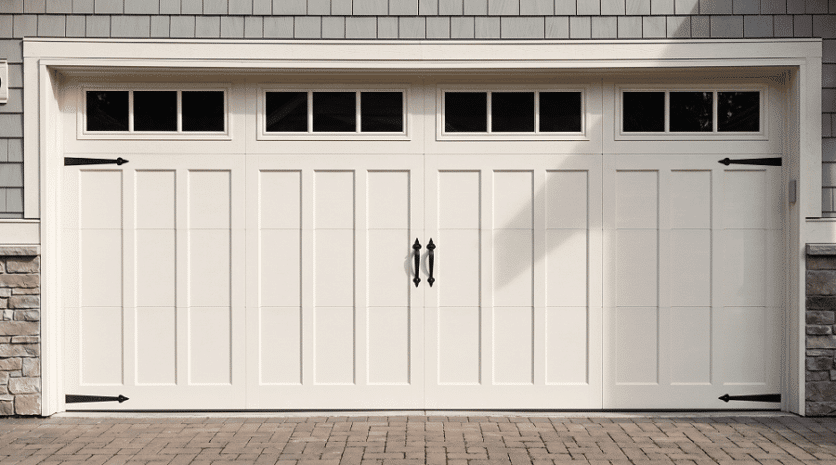
A garage door is easy to think of as a single moving panel with an opener attached. In practice, the way it performs day after day often depends on the accessories around it. The right add-ons can make the door quieter, safer, more secure, and less irritating to live with. The wrong ones can waste money, create compatibility problems, or solve a problem you do not actually have.
That is why choosing garage door accessories deserves a little more thought than grabbing whatever is hanging in the hardware aisle. A detached garage in a mild climate has different needs from an attached garage under a bedroom. A household with teenagers, delivery drop-offs, and frequent power outages will prioritize different features than a couple who uses the garage mostly for storage. When homeowners are disappointed with a new accessory, it is usually because they bought for a trend instead of for their own routine.
The best approach is simple. Start with how your garage door is used, identify the weak spots in your current setup, then match accessories to those real needs. That sounds obvious, but it cuts through a lot of expensive guesswork.
Start with the daily annoyances
Most worthwhile upgrades come from a specific frustration. If the door rattles loudly at 6:00 a.m., you might need vibration isolation, better rollers, or a quieter keypad placement rather than a full opener replacement. If family members keep getting locked out because nobody carries a physical remote, an exterior keypad may do more for convenience than anything else. If your garage gets bitterly cold in winter, weather sealing may matter more than smart controls.
I have seen homeowners buy a phone-enabled controller because it looked modern, then call a month later because the real issue was a draft under the bottom seal that was soaking cardboard boxes and making the room above the garage colder. I have also seen the opposite, where someone focused on weatherproofing but ignored basic access control, even though they regularly left remotes clipped in unlocked cars parked outside.
When you evaluate garage door accessories, it helps to ask three questions. What is bothering you now, what risk are you trying to reduce, and who uses the door every day? Those answers usually narrow the field quickly.
Convenience accessories that actually earn their place
Some accessories sound minor until you live with them. Others seem useful at first and then go untouched. The difference usually comes down to frequency of use.
A wireless keypad is one of the most practical additions for many homes. It is especially useful for families with children, walkers, runners, or anyone who does not always carry keys. Good keypads allow temporary codes, which helps if you need to let in a dog walker, cleaner, or contractor without handing over a remote. The key detail is weather resistance and backlighting. A keypad mounted on an exposed wall that is hard to read in the dark becomes annoying fast.
Extra remotes can be worthwhile, but only if you buy the correct type for your opener. Not all remotes are interchangeable, and even among products from the same manufacturer, compatibility can depend on the age of the motor unit and the security protocol. A universal remote can be a good option in mixed-brand households, but I generally recommend verifying compatibility before purchase rather than trusting broad packaging claims.
Wall control panels have improved quite a bit over the years. A basic push button works, but upgraded wall consoles can include motion-detecting lights, vacation lock mode, and controls for multiple doors. In an attached garage, those details are not cosmetic. A motion-activated light when you step in with groceries or sports gear makes the space safer and easier to use.
Smart controllers sit in a more complicated category. They can be excellent, particularly for households that want remote status checks, open and close alerts, or delivery access. They are less compelling if your Wi-Fi signal is weak in the garage or if the household is unlikely to use the app after the novelty wears off. I often tell homeowners to be honest about this. If you already ignore half the notifications on your phone, adding one more connected device may not improve your life. If you travel frequently or have ever driven away wondering whether the garage door is still open, a smart controller can be genuinely valuable.
Security should be matched to the real risk
Garage access is often treated casually, even though it can be one of the easiest routes into a home. The right security accessories are not always the flashiest ones. Sometimes the most useful upgrade is simply replacing an old remote system with rolling-code technology, which changes the signal after each use and makes code grabbing far harder.
A deadbolt-style manual lock is less common on automated doors, but in some detached garages or seasonal properties it still makes sense. If the space stores expensive tools, bikes, or recreational equipment, a physical layer of security can be worthwhile, especially if the garage is not monitored closely.
Vacation lock mode, available on many wall controls, is another underrated feature. It disables remote activation while you are away, which can reduce the chance of unauthorized entry through a stolen or compromised transmitter. For homeowners who leave a remote in every car, that single feature can do more than a shelf full of gadgets.
Lighting also plays a security role. Exterior light kits or integrated opener lighting can make side entries and driveway approaches less vulnerable. People tend to separate lighting from garage door accessories, but in practical terms they work together. A well-lit access point is easier to use and harder to exploit.
If security is the main reason for an upgrade, focus on these points first:
- Confirm that your opener uses modern rolling-code security rather than an older fixed-code system.
- Replace lost, damaged, or uncertain remotes instead of continuing to use them out of habit.
- Consider an exterior keypad with temporary codes if multiple non-family users need access.
- Use vacation lock mode when traveling or when the house will be empty for extended periods.
- Check whether your smart accessory provides activity logs and close alerts, not just open and close commands.
That short list usually delivers more practical protection than buying a random add-on labeled as security.
Safety accessories deserve more attention than they get
Most people do not think about safety features unless something goes wrong. That is understandable, but it is not ideal. Garage doors are heavy, tension-loaded systems. Accessories that improve safety are often more important than the convenience items people shop for first.
Photo-eye sensors are mandatory on modern automatic doors, but they do fail, get knocked out of alignment, or become obstructed. If your door sometimes closes halfway and reverses for no clear reason, dirty or misaligned sensors are often the culprit. Replacing aging sensors with manufacturer-approved parts is a better move than bypassing them or living with erratic behavior.
Battery backup is another accessory that proves its value at the worst possible moment. In areas where storms, rolling outages, or winter weather interrupt power, it can save a great deal of trouble. This matters even more for attached garages that serve as the household's main entrance. I have met homeowners who never cared about battery backup until they were standing in freezing rain, unable to get the door open because the outage hit before they got home.
Manual release extensions can also make sense in some garages, particularly where the release cord is hard to reach because of vehicle height or ceiling layout. The goal is straightforward: if automation fails, you should still be able to operate the door safely without improvising.
One caution here is important. Accessories that affect door movement, force settings, or safety systems should be matched carefully to the opener brand and model. This is not a category where generic usually means harmless.
Noise reduction is often solved with the small parts
A noisy garage door drives people crazy, especially in homes where a bedroom, office, or nursery sits above or beside the garage. Many homeowners assume the opener itself is the whole problem. Sometimes it is, especially with older chain-drive units. But often the accessories and supporting hardware are where the biggest gains happen.
Nylon rollers are one of the most effective upgrades for reducing noise. Steel rollers can last a long time, but they tend to create more rattle and vibration. Good-quality nylon rollers generally run quieter and more smoothly, particularly on older doors. The difference is noticeable enough that people often think the opener was replaced.
Rubber isolation pads or vibration dampening kits can also help, especially where the opener is mounted to framing that transmits sound into living spaces. In attached garages, that transfer matters almost as much as the sound inside the garage itself.
Belt-drive opener compatibility matters too. If you already have a belt-drive opener, pairing it with worn metal rollers and loose hardware leaves performance on the table. Quiet systems work best when the full setup supports the goal.
I once worked with a homeowner convinced he needed a new premium opener because the garage sounded like a freight cart every morning. The opener was not great, but it was not the main issue. The door had aging steel rollers, loose track brackets, and a brittle bottom seal slapping the floor. After replacing the rollers and tightening the hardware, the difference was dramatic, and far cheaper than replacing the motor first.
Weather protection pays off in more ways than comfort
For garages that double as workshops, gyms, laundry spaces, or simply buffer rooms next to the house, weather-related garage door accessories can make a meaningful difference. This is not just about staying warmer. It is about moisture control, pest prevention, dust reduction, and preserving what you store inside.
Bottom seals are often the first line of defense. The right one depends on the door style and the condition of the floor. A perfectly flat slab is rare. If the concrete has minor low spots, a more flexible or oversized bottom seal may be necessary to close the gaps. Buying a standard replacement without checking the shape of the floor is one of the most common mistakes I see.
Threshold seals can help where water blows or flows under the door, but they need to be chosen carefully. They work best when the floor is cleaned properly before installation and when vehicles can pass over them without creating a nuisance. In a garage with frequent bicycle traffic, rolling bins, or mobility equipment, a tall threshold can become more annoying than helpful.
Weatherstripping for the sides and top of the door is just as important. Cracked vinyl or compressed seals let in drafts, dust, and insects. If your garage feels dirty no matter how often you sweep, failed perimeter seals may be doing more harm than you realize.
Insulation kits belong in this conversation too, but expectations need to be realistic. An insulation kit can moderate temperature swings and slightly reduce door noise. It will not turn a basic unconditioned garage into a fully climate-controlled room on its own. The full benefit depends on the rest of the building envelope, including wall insulation, air leakage, and whether the garage ceiling is insulated.
Compatibility is where many accessory purchases go wrong
Homeowners are often surprised by how specific garage door accessories can be. A remote that looks right may not pair. A keypad may fit the brand but not the opener generation. A smart controller may require a safety feature protocol the existing unit does not support. This is where impulse purchases tend to fail.
The safest starting point is the opener's make, model, and approximate age. If the label is still readable on the motor unit, use that information before buying anything electronic. For physical accessories such as seals, rollers, or reinforcement brackets, the door type and dimensions matter more than the opener brand.
There is also a difference between manufacturer-approved accessories and universal products. Universal options can be excellent when chosen carefully, but they vary. selectgaragedoorservice.com Garage Door Accessories For something like a visor remote, universal can be fine. For a safety sensor replacement or integrated smart module, I lean toward products that are explicitly supported by the opener manufacturer or a trusted compatibility guide.
One more point that gets overlooked is radio interference. In dense neighborhoods or garages loaded with electronics, LED bulbs, chargers, or poorly shielded devices can interfere with remote range. That problem is easy to misdiagnose as a bad remote. If you install a new accessory and the remotes suddenly become unreliable, interference may be the culprit.
Buy for your household, not for a showroom
A family with three drivers and one main garage entrance has different priorities from a single-car household that barely uses the space. The best accessory setup reflects that reality.
For busy families, access management usually matters most. Multiple remotes, a reliable keypad, and activity awareness through a smart controller often provide the biggest return. For homeowners who use the garage as a workshop, lighting upgrades, better sealing, and quieter rollers may matter more. For older adults or anyone with mobility concerns, easy-to-reach controls, battery backup, and dependable lighting can transform the daily experience.
This is one area where lived routine beats feature lists. A glossy product page might highlight voice control, geofencing, or app integrations. Those are useful for some households. They are irrelevant if what you really need is a keypad that works in the rain and a bottom seal that stops leaves blowing under the door.
A practical way to narrow your choices
If you are sorting through options and want a grounded place to start, use this sequence:
- Identify the main problem, noise, access, security, weather, or power outage reliability.
- Verify your opener model and your door type before buying any accessory with compatibility requirements.
- Prioritize accessories used weekly or daily over features that sound impressive but solve rare problems.
- Choose durability over novelty, especially for keypads, rollers, seals, and safety-related parts.
- If an accessory affects door balance, spring tension, or safety systems, have it installed or at least checked by a qualified technician.
That process is simple, but it prevents a lot of wasted money.
Where it makes sense to spend more
Not every upgrade deserves a premium budget. Some do. If you are buying a keypad, weather-resistant buttons and reliable illumination are worth paying for. If you are replacing rollers, buy quality rollers rather than the cheapest pack available. Cheap rollers tend to show their shortcomings in noise and wear fairly quickly.
Battery backup is another area where quality matters. Lower-cost options may look similar on the shelf, but poor battery performance becomes obvious during an outage. The same goes for smart controllers. A stable app, dependable notifications, and straightforward setup are far more valuable than a long feature list that only works half the time.
On the other hand, paying extra for accessories you will barely use rarely makes sense. A second or third style of remote, decorative trim add-ons, or heavily branded controls can inflate the bill without improving the day-to-day experience.
When professional advice is worth it
Some garage door accessories are simple weekend projects. Others live close to components that can injure you or damage the system if handled carelessly. Seals, basic remotes, and many keypads are usually manageable for a competent homeowner. Anything near springs, cable systems, major track adjustments, or force and travel settings deserves caution.
A good technician can also help diagnose the real issue before you start buying parts. That matters more than people think. If a door is noisy because of poor balance, no accessory will truly fix it. If a garage stays damp because of drainage problems outside the slab, a new threshold seal may only mask the symptom.
The smartest accessory purchases often happen after a quick, informed assessment rather than after an evening of online browsing.
The best setup is the one you stop thinking about
When garage door accessories are chosen well, they fade into the background. The keypad works when your hands are full. The remotes respond consistently. The door closes safely, seals properly, and does not wake the house. You are not fiddling with an app that lost connection or stepping over a threshold that should never have been installed.
That is a useful standard to keep in mind while shopping. The right accessory is not necessarily the most advanced or the most expensive. It is the one that fits your door, your climate, your household, and the way you actually live. When you buy from that angle, garage door accessories stop being random add-ons and start becoming practical improvements that earn their place every single day.